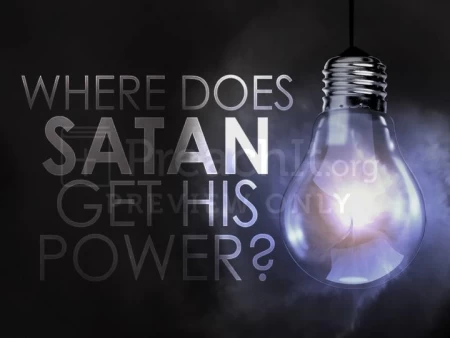
Where Does Satan Get His Power?
Where Does Satan Get His Power? examines opposition while keeping the authority of Jesus at the center of the message. Beginning with Luke 11, this teaching contrasts the strong man with the One who is stronger. It gives ministers a framework for preaching confidence in Christ rather than fascination with darkness.
The opening connects the works of Jesus with His victory and authority. From there, the material considers the enemy’s character, deception, and limitations. Its emphasis invites listeners to understand spiritual warfare through Scripture. The message directs attention toward the resources God provides for believers.
Where Does Satan Get His Power? explores the ways temptation and accusation can challenge a person’s faith. It also considers how falsehood can influence thinking and distract from truth. Moreover, the teaching brings the discussion toward responsibility. Listeners must consider what they accept, dwell upon, and allow to shape their response to God.
Passages from 2 Corinthians 10, Romans 12, and Philippians 4 give the lesson a focus on the mind. The call is to bring thoughts into obedience to Christ and pursue renewal. Where Does Satan Get His Power? connects that discipline with a life grounded in the Word and responsive to the Spirit.
Use Where Does Satan Get His Power? for a Bible study, a spiritual warfare lesson, or a message about overcoming temptation. Its Scripture references offer a point for teaching and discussion. Ministers can encourage discernment while keeping the hope of the gospel central. The material invites believers to stand in God’s strength rather than depend on feelings.
Where Does Satan Get His Power? closes with the armor of God and the resources available through Jesus. Share it when your congregation needs encouragement to resist deception and remain faithful. Invite listeners to study Scripture, guard their thinking, and trust the Lord.