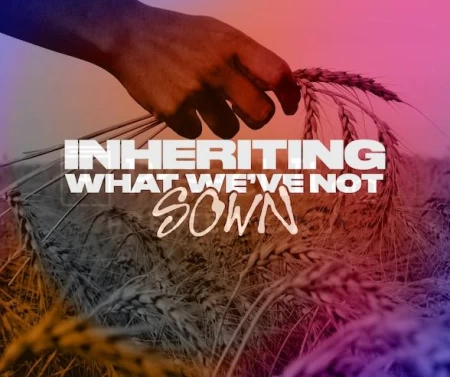
Inheriting What We’ve Not Sown
Inheriting What We’ve Not Sown explores the difference between receiving God’s gifts and trying to earn them. Drawing from Joshua 24 and John 4, this sermon connects Israel’s inherited blessings with Jesus’ teaching about reaping another’s labor. It invites believers to place their confidence in what God provides.
The message begins with land, cities, vineyards, and olive groves that Israel did not build or plant. That picture becomes an opening for preaching about spiritual inheritance. The sermon asks how faith changes when people stop making their own ability the measure of God’s generosity.
Inheriting What We’ve Not Sown challenges both fearful withdrawal and proud self-reliance. These responses can share the same mistake: placing the emphasis on personal strength. Instead, the message calls hearers to recognize the Lord as the source of their blessings and give Him the glory.
John 4 adds the themes of living water and doing God’s will. The sermon connects receiving with response, making room for teaching about the Holy Ghost and sincere service. Grace leads toward grateful obedience rather than religious pretense.
Use Inheriting What We’ve Not Sown for a Bible study, a message about grace, or a service focused on the kingdom of God. Its biblical comparisons offer material for explaining faith and spiritual inheritance. The manuscript also considers Joshua’s declaration that his household will serve the Lord.
Inheriting What We’ve Not Sown brings that service into relationships with others. Service honors Jesus. This gives the message a direction beyond the desire to receive blessings.
Preach Inheriting What We’ve Not Sown when your congregation needs encouragement to trust God’s provision and respond with gratitude. This sermon points hearers toward the work of Christ, the gift of His Spirit, and a life of service. It invites them to receive by faith and walk in willing obedience.