The Weight of the Chair
Topics:
There is a unique weight that comes with leadership — and if you’ve ever sat in “the chair,” you know exactly what I mean.
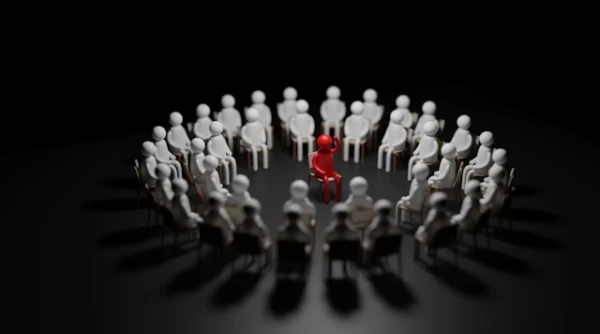
The chair is not always a literal seat. It’s the position in which God has placed you — the role that carries the final responsibility for decisions, direction, and the well-being of those you lead. The chair is the space where all eyes are on you, whether you’re standing behind a pulpit, sitting at a board table, or guiding a team through the unknown.
The reality of leadership is you are visible, you are accountable, and you are carrying a weight that not everyone else can see — but they can feel the impact of it.
The Chair Is a Place of Influence and Responsibility
Leadership is never just about authority; it’s about stewardship. The one in the chair sets the tone, defines the pace, and models the values that will either inspire or discourage the team.
Proverbs 29:18 says,“Where there is no vision, the people perish.”The leader in the chair is often the one holding and communicating that vision. That means the health, clarity, and strength of the leader has a direct effect on the health, clarity, and strength of everyone else.
When you sit in that chair:
- People watch how you handle pressure.
- They listen closely to your words.
- They read your body language.
- They follow your example in public and in private.
This isn’t about perfection — it’s about awareness. The weight of the chair is heavy because leadership is never just about what you do; it’s about who you are.
The Chair Can Feel Lonely
One of the paradoxes of leadership is that you can be surrounded by people and still feel alone. When you’re the one in the chair, you often carry burdens others can’t carry for you. You wrestle with decisions that will impact the entire group. You feel the strain of expectations from every direction.
Moses understood the loneliness of leadership. In Numbers 11:14, he cried out to God,“I am not able to bear all this people alone, because it is too heavy for me.”The good news is, God didn’t rebuke Moses for this — He provided seventy elders to share the burden.
This is a reminder that while you may sit in the chair, you are not called to carry the weight alone. God surrounds leaders with people who can share the load — if we allow them to.
The Chair Demands Self-Care
Here’s where many leaders make a costly mistake: they believe the most selfless thing they can do is neglect themselves for the sake of the mission.
The truth is exactly the opposite.
If you sit in the chair, the health of the whole team is tied to your health — physically, emotionally, and spiritually. When you run yourself into the ground, you’re not just hurting yourself; you’re weakening the very people you’ve been called to lead.
Physical Self-Care Matters:
- Your body is the vessel through which you fulfill your calling. If you neglect rest, nutrition, and exercise, you are limiting the effectiveness of your ministry.
- Chronic exhaustion leads to poor decision-making. You cannot think clearly or lead wisely when you are perpetually tired.
- Physical burnout often leads to emotional burnout, which can lead to spiritual discouragement.
Spiritual Self-Care Matters:
- As the leader, you must hear from God regularly. If you’re too busy to pray, too tired to study the Word, or too distracted to listen, your leadership will be shallow.
- Ministry is an overflow of your relationship with God. If your spiritual well is dry, you will end up giving people your opinions instead of God’s Word.
- Your spiritual discipline — prayer, fasting, worship, study — doesn’t just keep you strong; it keeps your entire ministry aligned with God’s will.
Jesus modeled this balance perfectly. He poured Himself out for the crowds, but He also withdrew to lonely places to pray (Luke 5:16). He served to the point of exhaustion, but He also slept in the boat. He was fully present with people, yet He guarded His time with the Father fiercely.
The Chair Requires Boundaries
Leaders without boundaries quickly become leaders without longevity.
When you sit in the chair, you must protect your time, your energy, and your focus. Not because you’re selfish, but because you’re stewarding something sacred.
Set Boundaries On:
- Time– Schedule personal rest and family time just as seriously as you schedule ministry commitments.
- Access– You cannot say yes to every meeting, every request, and every problem personally. Empower your team to handle what they can.
- Expectations– Clearly communicate what you can and cannot do. It’s better to be honest than to burn out trying to please everyone.
Boundaries are not barriers to ministry; they are guardrails that keep you healthy enough to minister effectively.
The Chair Is a Place of Modeling
People will do what they see, not just what they hear. If they see you neglect your health, they will assume it’s normal for leaders to do the same. If they see you never rest, they will think rest is a sign of weakness.
But if they see you practicing Sabbath, prioritizing your family, eating well, and exercising, they will learn that caring for yourself is part of honoring God.
If they see you in the Word daily, praying without ceasing, and worshipping with sincerity, they will learn that spiritual health is non-negotiable for a leader.
In this way, taking care of yourself is not just about you — it’s about setting an example that will ripple through your entire organization.
The Chair Demands Courage
The weight of the chair is not just in the expectations or the visibility — it’s in the decisions. Leaders must often choose between what’s easy and what’s right. They must confront issues others would rather ignore. They must lead through storms when others want to abandon ship.
Courageous leaders in the chair:
- Seek God’s wisdom before making a move.
- Stand firm when criticized for following God’s direction.
- Protect the mission, even when it costs them personally.
The courage to lead well is fueled by the spiritual and physical strength you build through intentional self-care. Without it, the pressure of the chair can crush you.
Sharing the Weight of the Chair
Even though God has placed you in the chair, He never intended for you to carry the weight alone. Jesus surrounded Himself with disciples. Moses had elders. Paul traveled with Barnabas, Silas, Timothy, and others.
Sharing the weight means:
- Delegating responsibilities to trusted leaders.
- Being transparent about your challenges so others can pray and support you.
- Investing in the development of others so they can step into leadership roles when needed.
When you share the weight, you not only protect yourself from burnout — you multiply the ministry’s effectiveness.
When the Chair Feels Too Heavy
There will be days when the chair feels unbearable. Days when criticism cuts deep, when problems pile up, when you feel completely unqualified for the role you’re in.
In those moments, remember:
- You were called to the chair– God knew your strengths and weaknesses when He chose you.
- You are not alone in the chair– He promises never to leave you or forsake you.
- You are sustained for the chair– His grace is sufficient, and His power is made perfect in weakness (2 Corinthians 12:9).
The weight of the chair is real — but so is the One who gives you strength to sit in it faithfully.
Final Word to Leaders
If you’re in the chair, lead with awareness, humility, and courage. Take care of yourself physically so you have the stamina to lead. Take care of yourself spiritually so you have the clarity to lead. Set boundaries so you can last for the long haul. Share the weight so you can multiply the mission.
The people you lead will be better because you are healthy. The mission will advance further because you are whole. And God will be glorified because you are faithful.
The chair is heavy. But with God’s help, you can carry it well.
About Pastor James Smith
Pastor James Smith, Valparaiso, Indiana – Founder of PreachIt.org, OpportunityHope.org, and PastoralHelps.com.
He equips pastors worldwide with sermons, leadership tools, and encouragement, while also caring for orphaned and at-risk children in West Bengal, India through OpportunityHope. Beyond the orphanage and school, OpportunityHope provides clean water wells, livestock, and other humanitarian helps to families and villages in need. Additional books, leadership training, and mentoring resources are available through PastoralHelps.com.