Who Has The Final Say?
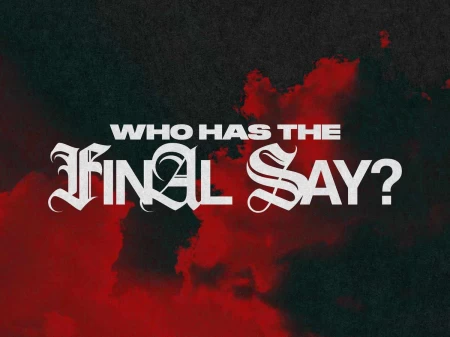
Who Has The Final Say? is a sobering, Scripture-saturated sermon that confronts one of the most pressing issues facing the modern church: authority. This message declares without apology that God’s Word is settled forever and that obedience is not optional. Who Has The Final Say? forces every believer, leader, and pastor to answer a defining question—do we follow God’s Word completely, or only when it agrees with our opinions? This sermon draws a hard line between cultural Christianity and biblical discipleship, and it does so with clarity, conviction, and compassion.
At the heart of Who Has The Final Say? is Psalm 119:89, which declares that God’s Word is forever settled in Heaven. This sermon teaches that God’s truth does not bend with culture, emotion, or convenience. What we think matters to God, until it contradicts what He has already spoken. The message carefully walks through Scripture to show that blessing always follows obedience, while judgment follows willful disobedience. God never changes His standards; people simply choose whether to follow them.
Who Has The Final Say? uses powerful biblical examples to show how seriously God takes His instructions. Israel received commandments with clear promises attached. If they obeyed, God would hear from Heaven and deliver them. If they disobeyed, separation followed. This sermon connects those ancient truths to the present church. Prayer, repentance, faithfulness, and obedience are not outdated ideas. They are God’s requirements for relationship and blessing today.
This sermon also confronts the modern habit of selective obedience. Who Has The Final Say? challenges the mindset that treats God’s Word like a buffet, choosing what feels comfortable and ignoring the rest. Through vivid illustrations, including the consequences of ignoring stop signs, the message explains that rules exist for protection. Breaking God’s laws carries eternal consequences, not because God is cruel, but because He is holy.
Pastors will appreciate how Who Has The Final Say? addresses church attendance, faithfulness, and assembly without apology or manipulation. Hebrews 10 is presented as a command, not a suggestion. This sermon asks hard questions that every leader must be willing to preach. Why do we gather? Why do we obey? Why do we serve? The answer always leads back to love for God and submission to His authority.
Who Has The Final Say? also moves into the cost of discipleship. Jesus’ call to take up the cross is explained as dying to self, surrendering personal desires, and choosing obedience over excuses. This message reminds the church that salvation is free, but discipleship is costly. The sermon challenges listeners to examine whether they are willing to obey God not just in theory, but in practice.
The message crescendos with a powerful reminder from Hebrews and the heroes of faith. These men and women obeyed God even when obedience led to suffering, loss, and death. They trusted God’s promises without seeing the fulfillment. Who Has The Final Say? places today’s church in that same moment of decision. Will we believe the report of the Lord, or will we trust our own reasoning?
This sermon closes with Joshua’s timeless declaration: “Choose you this day whom ye will serve.” Who Has The Final Say? makes it clear that neutrality is not an option. Every choice reveals who holds authority in our lives. For pastors searching for a message that restores reverence for Scripture, calls believers to repentance, and reestablishes God’s Word as the final authority, Who Has The Final Say? is exactly that sermon. It does not entertain. It transforms.