Though He Were Dead, Yet Shall He Live
Though He Were Dead, Yet Shall He Live is an Easter message that slows the room down long enough to stare at the empty tomb and feel the weight of what we’re actually preaching. Instead of rushing past the phrase He rose from the dead, this sermon takes a respectful, clinical look at death and then pivots to the miracle of life returning. It speaks directly to believers who need fresh hope and to honest skeptics who struggle with the claim of resurrection.
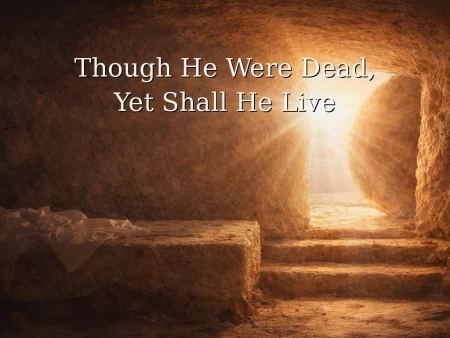
This sermon begins with a simple admission: the Bible’s claim is hard to believe for many people, and that makes sense. After all, we are saying a real body entered real death and stayed there. Then it moves into a clear biblical frame: death is an enemy, not a friend, and Jesus holds authority over it. Though He Were Dead, Yet Shall He Live helps pastors preach the resurrection with more wonder, more credibility, and more emotional force.
The message walks through early post-death realities in plain language—cooling, blood settling, rigor, and the body’s natural progression toward decay—while keeping the tone reverent. Then it asks a question many preachers never ask out loud: what would have to happen, clinically, for life to return? That question doesn’t weaken faith. Instead, it strengthens awe. It makes the resurrection feel less like a slogan and more like God’s signature on the impossible. Though He Were Dead, Yet Shall He Live gives pastors language that makes the miracle land.
Next, the sermon leans into Thomas, the disciple who refused to pretend. It shows why honest struggle can become the doorway to a real encounter with Jesus. That section speaks powerfully to churches full of “I’m fine” faces and silent wounds. It also gives pastors a strong bridge into a response moment.
Finally, the sermon turns the tomb into a mirror. If God can reverse death’s process, then God can revive what feels buried in your people—regret, grief, shame, fear, and spiritual numbness. Though He Were Dead, Yet Shall He Live ends with a clear altar call for two groups: believers living like hope is dead, and honest seekers who want Jesus to make Himself real. Though He Were Dead, Yet Shall He Live will help pastors preach Easter with clarity, compassion, and undeniable resurrection power.