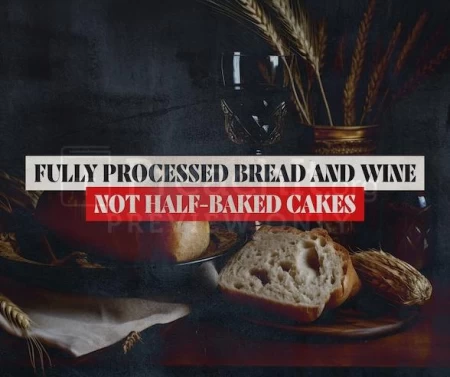
Fully Processed Bread And Wine — Not Half-Baked Cakes
Fully Processed Bread And Wine — Not Half-Baked Cakes directs believers toward the completed sacrifice of Jesus. Drawing from Genesis 14 and Scripture, this sermon explores communion as participation. It offers hope to listeners burdened by condemnation and uncertain about belonging to Him.
Fully Processed Bread And Wine — Not Half-Baked Cakes begins with Melchizedek bringing bread and wine to Abram. The message connects those elements with Jesus’ broken body and shed blood. Its concern is what Christ has accomplished for people who need salvation. The cross provides more than an example to admire. It gives the foundation for new life.
The sermon considers Jesus’ response to the woman accused of adultery. Mercy meets a person who faces condemnation, and His words call her toward change. This account introduces the difference between announcing guilt and offering the remedy for sin. The message points toward grace without presenting sin as harmless.
Fully Processed Bread And Wine — Not Half-Baked Cakes then explores the meaning of sharing in Christ’s death, burial, and resurrection. Baptism and communion become part of its teaching about identification with Him. The emphasis rests on receiving His work through faith. Listeners need not imagine that their suffering can replace His sacrifice.
The message distinguishes standing from growth in conduct. Christ’s work supplies the basis for a new life, while behavior should reflect that relationship. Consequently, the invitation joins assurance with responsibility. It encourages believers to understand the gospel fully and respond with gratitude rather than self-condemnation.
Preach Fully Processed Bread And Wine — Not Half-Baked Cakes when teaching on communion, baptism, and grace. Its connections support a message about the cross and newness of life.
Fully Processed Bread And Wine — Not Half-Baked Cakes invites listeners to trust what Jesus has provided. Encourage faith, gratitude, and obedience today.