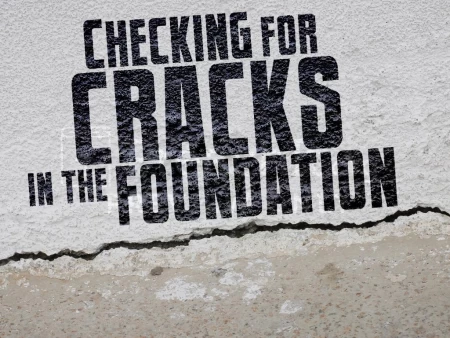
Checking for Cracks in the Foundation
Checking for Cracks in the Foundation challenges believers to examine the character beneath their appearance. Beginning with Paul’s testimony in Acts 23:1, this message focuses on a conscience before God. It gives ministers a way to preach about integrity, purity, and the choices that shape a life.
Checking for Cracks in the Foundation connects private conduct with public influence. Small compromises can weaken what looks strong from the outside. However, faithful decisions can build character over time. The sermon uses illustrations to help hearers recognize why integrity matters before a crisis reveals its absence.
Proverbs 20:7 brings the discussion into family life. Children observe the example adults set, and those examples can leave a lasting mark. This emphasis makes the message useful for teaching parents and leaders alike. It asks people to consider what their actions teach those who watch them closely.
Checking for Cracks in the Foundation then turns toward guarding the heart. Proverbs 4:23 and Matthew 5:8 support its call to inward purity. Rather than stopping with a warning, the message offers practical guidance for daily faithfulness. Prayer, Scripture, accountability, and self-control give listeners clear areas for honest reflection.
Furthermore, Checking for Cracks in the Foundation addresses temptation without treating spiritual growth as a matter of appearances. It encourages believers to know their weaknesses and respond with obedience. The example of Joseph adds a biblical picture of conviction under pressure. God’s promise of escape gives hope when temptation comes.
Use Checking for Cracks in the Foundation for discipleship, leadership training, family teaching, or a message on Christian character. Included study questions also support group discussion and personal review. This resource can help ministers move hearers from agreement toward action. Invite your congregation to guard the heart, strengthen daily habits, and become trustworthy vessels for God’s use and glory.