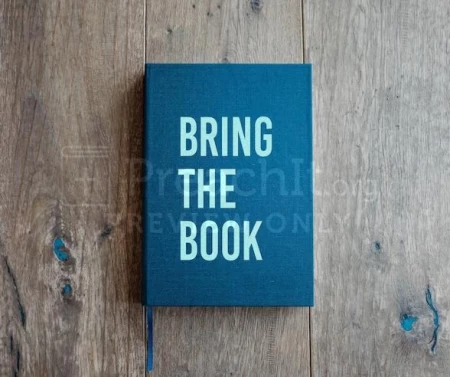
Bring The Book
Bring The Book calls the church back to a living response to Scripture. Built from Nehemiah 8:1–3, this sermon follows a gathered people who ask Ezra to read God’s law. Their hunger becomes a challenge for believers who own Bibles, carry Bibles, and yet rarely let the Word shape their lives.
The message contrasts treasuring a book as an object with receiving its truth. Familiar covers, study notes, and strong opinions cannot replace reading and obedience. Therefore, hearers must consider the place Scripture holds in their walk. Admiration alone will not produce the understanding they need.
Bring The Book also draws from Psalm 119 and its many responses to God’s Word. Meditation, delight, correction, and direction give the sermon a scriptural foundation. It invites hearers to seek more than information. The message asks whether truth is reaching their decisions, desires, and habits.
Nehemiah’s rebuilt walls provide the setting for Ezra’s public reading. Reconstruction leads into instruction for the people. Bring The Book follows their attention, conviction, worship, and joy as they understand what they hear. The scene offers preachers a picture of a congregation gathered around the authority of Scripture.
This sermon offers material for preaching on Bible study, obedience, the power of the Word, and spiritual disciplines. Its illustrations challenge neglect while encouraging hunger. Moreover, Bring The Book connects personal reading with the importance of hearing Scripture preached and explained. Both call for a response that reaches beyond the service.
Preach Bring The Book when your congregation needs a commitment to Scripture. Its focus suits a discipleship emphasis, a new season of Bible reading, or a message about spiritual renewal. Above all, the sermon invites hearers to open the Word with humility. What place will it have in our lives today? Read it, receive it, and live its truth.