Being Blind to the Barriers of Bondage
Being Blind to the Barriers of Bondage challenges believers to turn their attention from limitation toward freedom in Christ. Based on Galatians 5:1, this brief sermon outline addresses fear, doubt, and destructive patterns of thinking. Pastors can use its illustrations to encourage listeners who feel trapped by discouragement.
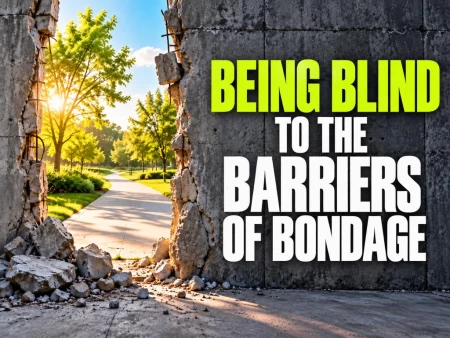
Being Blind to the Barriers of Bondage opens with a wall as a picture of oppression. It then turns to Psalm 23 and the care of the Shepherd. That contrast gives preachers a way to speak about God's guidance and comfort when circumstances seem to limit opportunities.
The outline portrays bondage developing one brick at a time. Self-pity and harmful thinking can shape a person's outlook until hope becomes difficult to see. This illustration helps pastors discuss struggles that build quietly. It invites listeners to consider what they have allowed to govern their thoughts.
Being Blind to the Barriers of Bondage asks the congregation to look beyond what is missing and recognize the liberty found in Jesus. Brief references to Paul, Peter, and the tormented man who encountered Christ reinforce that invitation. The emphasis stays on the difference Jesus makes rather than the strength of the obstacle.
For preachers seeking a sermon on freedom, fear, faith, or the mind, Being Blind to the Barriers of Bondage offers a clear starting point. Its concise structure leaves room for development and personal application. Pastors can expand its biblical examples while keeping the invitation to trust Christ at the center.
Preach Being Blind to the Barriers of Bondage when your congregation needs encouragement to face discouragement with renewed faith. Use its imagery to discuss the thoughts that hold people back and the Shepherd who leads them forward. Invite listeners to bring their struggles to Jesus, seek His help, and respond to the freedom He offers.